
Low Temperature Recirculating Chiller
Category
Contact Us
- 24-hour online service
- Own factory processing
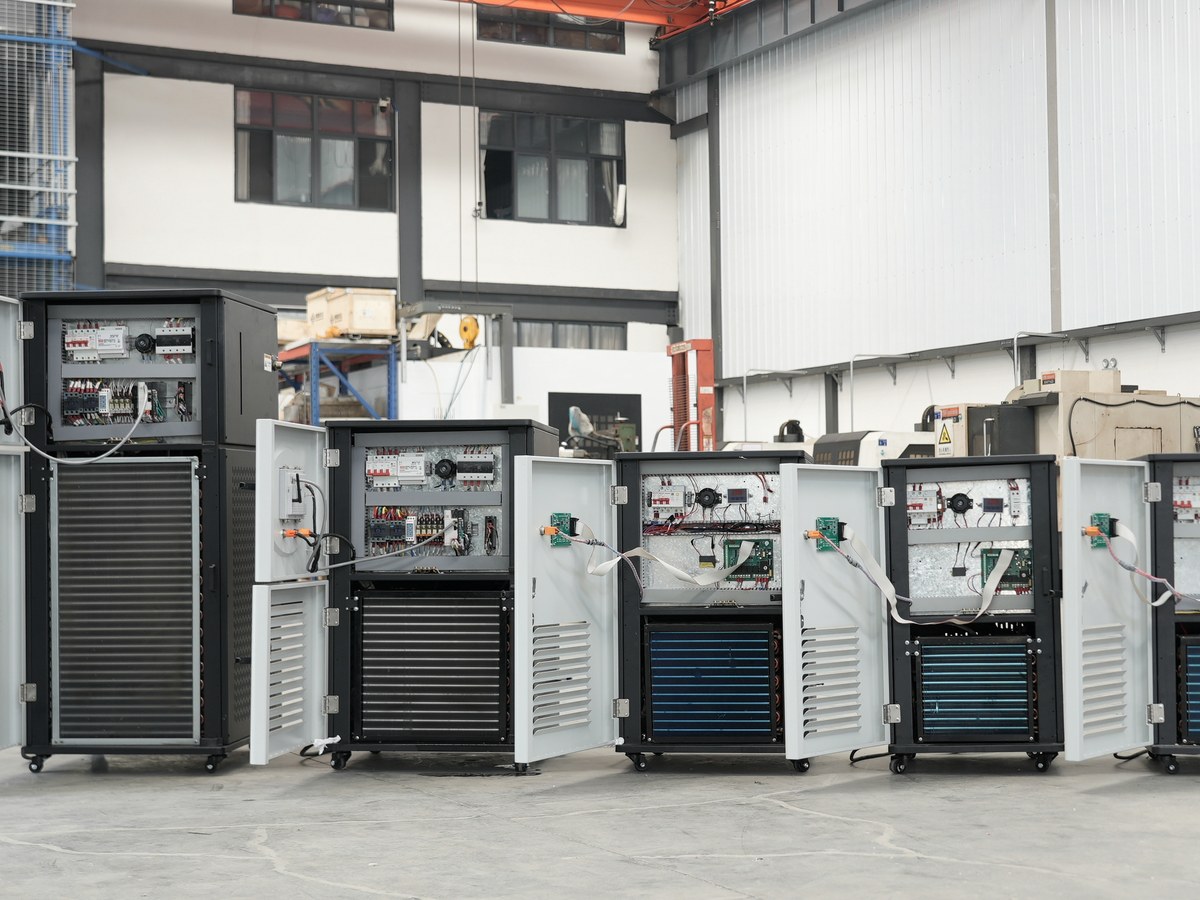
Low Temperature Recirculating Chiller
Closed-loop cooling equipment for external reactors, condensers, instruments and laboratory process systems.
product details
Product overview
Low-temperature recirculating chillers provide a closed coolant loop for external equipment. Working temperature, load, flow and lift determine the right model much more than nominal room-temperature capacity alone.
Where this route fits
- Reactor cooling
- Condenser cooling
- Low-temperature circulation for external process equipment
- Laboratory and pilot cooling loops
What to provide before quotation
- Required working temperature, not just room-temperature capacity
- Cooling duty and continuous or batch operating pattern
- Required flow, lift and loop interface
- Preferred coolant medium and condenser type
- Ambient conditions, utilities and destination voltage
Specification summary
| Temperature options | -40°C, -60°C, -80°C, -100°C and -120°C |
|---|---|
| System | Closed circulation, non-volatile coolant loop |
| Cooling type | Air cooling or water cooling |
| Control | PID or PLC options by model |
| Typical series | DLSB and DFY low-temperature systems |
| Applications | Reaction cooling, condenser cooling, low-temperature circulation |
Configuration options typically discussed before order release
- Temperature route selected from -40°C to -120°C family examples
- Air-cooled or water-cooled condenser structure according to site utilities
- PID or PLC control package depending on plant-side integration need
- Closed-loop external circulation arrangement sized by flow and lift
- Explosion-proof and export-voltage discussion where required
Typical delivery scope discussion
- Closed-loop chiller main unit with external circulation path
- Cooling-structure and control route matched during quotation
- Guide-led sizing path covering working temperature, duty, flow and lift
- Accessory, packing and export notes confirmed according to the project scope
Installation and site-preparation notes
- Confirm actual working-temperature duty instead of quoting only room-temperature capacity
- Confirm loop piping length, height difference, interface size and coolant medium
- Confirm condenser structure, ambient condition and destination-site power standard
Related resources
Frequently asked questions
How is cooling capacity selected?
Cooling capacity should be checked at the actual working temperature, not only at room temperature.
What coolant can be used?
Industrial alcohol or thermal oil may be used depending on the required temperature range and equipment configuration.